Comprehensive Guide to THC Vape Cartridge Compliance, Science, and Regulations in Australia
TGA Frameworks and Australian Vape Cartridge Legality
Understanding the legal status of a vape cartridge in Australia requires examining Therapeutic Goods Administration regulations. Under strict federal vaping and medical reforms, pre-filled liquid vape cartridges are regulated strictly as therapeutic goods or scheduled medicines. Unapproved commercial retail sales through tobacconists, convenience stores, gas stations, or general online stores remain completely illegal across all states. Australian consumers must access compliant hardware exclusively through registered dispensing pharmacies. Access pathways depend on whether the cartridge contains therapeutic nicotine or prescribed botanical extracts. Disclaimers: A therapeutic vape cartridge is an unapproved medical good in Australia. Legitimate access requires pharmacy consultation or a valid doctor prescription under the TGA Special Access Scheme.
The Australian Border Force enforces zero-tolerance customs controls against non-compliant international importations. Importing unregistered vape cartridge shipments without valid federal import permits leads to immediate border seizure and heavy financial fines. Domestic suppliers must comply strictly with Therapeutic Goods Order standards, such as TGO 110 for therapeutic vapes. These mandates regulate allowable ingredients, electrical safety parameters, and mandatory pharmaceutical-grade packaging. Pharmacists conduct rigorous clinical suitability checks before dispensing any approved hardware or liquid refills. References: Therapeutic Goods Administration Vaping Hub Regulations (TGA, 2026); Customs Act 1901 Prohibited Imports Regulations (Department of Home Affairs, 2026).
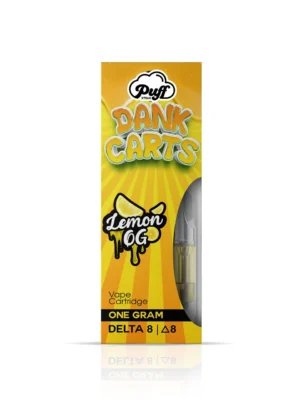
Product packaging standards for any therapeutic vape cartridge in Australia follow strict plain-packaging laws. Manufacturers must eliminate all bright colors, cartoon graphics, and appealing flavor names. Permitted nicotine vape cartridge flavors are legally restricted strictly to mint, menthol, or traditional tobacco profiles. Plain pharmaceutical packaging features mandatory health warnings, batch numbers, and exact milligram ingredient concentrations. These stringent rules protect public safety while eliminating commercial appeal to non-smokers and youth. Citations: “Therapeutic vape cartridge formulations supplied in Australia must strictly adhere to TGO standards to guarantee chemical purity and user safety” (Australian Journal of Pharmacy, 2026). Always consult an AHPRA-registered healthcare practitioner regarding lawful therapeutic options.
Anatomical Design and Engineering of a THC Vape Cartridge
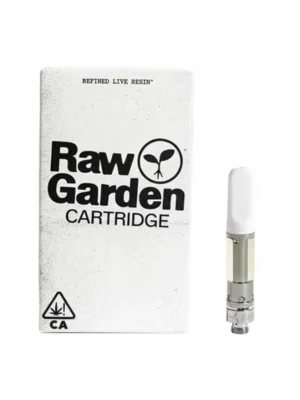
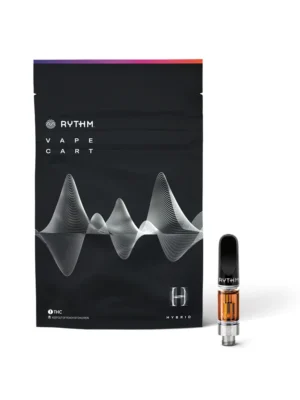
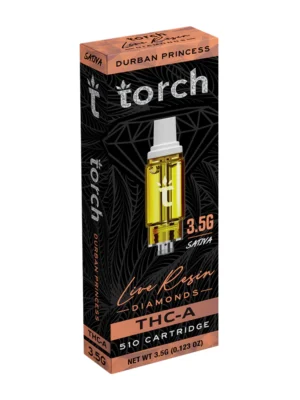
The mechanical architecture of a modern vape cartridge relies on precision engineering to deliver consistent vapor. A standard unit comprises a central airflow chimney, a tempered glass or medical-grade PCTG reservoir, and a bottom threaded joint. Most compliant units feature a universal 510 thread connection that attaches directly to compatible power cells. The core heating element incorporates a porous ceramic cylinder wrapped with internal heating wire. High-grade ceramic cores absorb liquid evenly, preventing dry hits and scorching. Disclaimers: Inspecting a vape cartridge regularly for hairline cracks or thread damage prevents leakage and ensures optimal electrical connectivity with internal battery pins.
Internal fluid dynamics govern how liquid moves from the main reservoir into the internal heating chamber. Small intake ports positioned around the base of the ceramic core allow viscous oil or liquid to saturate the internal wick. Thicker botanical extracts require larger intake apertures, whereas thinner liquid solutions utilize smaller fluid openings. Airflow design pulls fresh air through intake holes at the base or top cap, mixing with vapor inside the central chimney. Quality medical hardware utilizes lead-free brass or surgical stainless steel to prevent heavy metal leaching into the liquid. Citations: “Precision ceramic heating technology prevents thermal degradation of active therapeutic compounds during low-temperature vaporization” (Journal of Pharmaceutical Sciences, 2025).
Performance metrics for a pre-filled vape cartridge depend heavily on coil resistance, measured in ohms. Medical atomizers typically feature internal resistance values between one point two and one point eight ohms. This higher resistance range supports low-wattage operation, keeping heating temperatures within safe operational windows. Operating a cartridge within recommended wattage limits preserves delicate aromatic compounds and prevents internal coil burnout. Advanced cartridges also incorporate child-resistant press-fit mouthpieces to satisfy Australian medical device compliance rules. References: Medical Device Design Standards for Micro-Atomizers (Standards Australia AS/NZS, 2025); Engineering Review of Therapeutic Delivery Systems (Monash University Engineering, 2026).
Vaporization Physics, Temperature Control, and Bioavailability
Inhaling active compounds via a specialized vape cartridge provides distinct pharmacokinetic characteristics compared to oral ingestion. Thermal energy vaporizes active liquid ingredients at temperatures between one hundred eighty and two hundred twenty degrees Celsius. Rapid thermal conversion generates micro-aerosol droplets that enter the pulmonary system upon gentle inhalation. Intravascular absorption occurs rapidly across the pulmonary alveoli, bypassing primary hepatic first-pass metabolism. This inhalation pathway yields fast systemic onset within one to five minutes. Disclaimers: Pharmacokinetic onset times vary based on personal lung capacity, depth of inhalation, and active compound concentration.
Maintaining precise temperature control is critical to prevent dangerous chemical thermal decomposition during heating. Excessive heat applied to liquid carriers can generate harmful thermal degradation products such as acrolein or formaldehyde. Modern variable-voltage power cells supply stable voltage output, preventing sudden temperature spikes inside the ceramic core. Lower operational temperatures preserve aromatic plant terpenes, while providing smooth, unburned vapor production. Compliant Australian therapeutic formulations exclude harmful additives like vitamin E acetate, diacetyl, or synthetic coloring agents. Citations: “Pulmonary administration of therapeutic aerosols provides high systemic bioavailability while avoiding hepatic degradation pathways” (Australian Journal of Clinical Pharmacology, 2025).
Bioavailability following pulmonary inhalation via a medical THC vape cartridge ranges between twenty and forty percent. This systemic efficiency delivers consistent therapeutic plasma levels with lower active material requirements. Sustained inhalation protocols allow patients to titrate exact dosage requirements gradually under professional guidance. Consistent heating dynamics ensure uniform aerosol particle size, maximizing alveolar deposition and minimizing upper airway irritation. Patients must store active cartridges upright at room temperature to preserve coil saturation and prevent flooding. References: Pharmacokinetics of Inhaled Therapeutic Aerosols (University of Sydney Health Sciences, 2025); Clinical Aerosol Therapeutics Review (Royal Australian Chemical Institute, 2026).
Quality Control, Safety Testing, and Chemical Standards
Quality assurance for any therapeutic vape cartridge distributed in Australia adheres to rigorous laboratory testing standards. Therapeutic Goods Order rules mandate comprehensive screening for total chemical purity and heavy metal contamination. Certified analytical laboratories conduct high-performance liquid chromatography and gas chromatography to verify exact compound profiles. Testing confirms the complete absence of heavy metals like lead, cadmium, arsenic, and mercury. Certificates of Analysis verify that pesticide residues and residual extraction solvents fall below strict statutory safety limits. Disclaimers: Patients should request batch-specific Certificates of Analysis from their dispensing pharmacy to verify hardware and liquid purity.
Formulation safety mandates strict exclusion of harmful carrier lipids and prohibited chemical additives. Australian therapeutic standards ban the inclusion of medium-chain triglyceride oils, vitamin E acetate, and synthetic thickeners. Permitted liquid carriers are restricted to pharmaceutical-grade vegetable glycerin, propylene glycol, or refined natural plant extracts. Eliminating harmful additives prevents serious pulmonary conditions, such as lipoid pneumonia or acute airway inflammation. Strict toxicological risk assessments guarantee that aerosol emissions remain safe for continuous therapeutic human inhalation. Citations: “TGO standards mandate strict toxicological screening of all liquid aerosol emissions before product dispensing” (Therapeutic Goods Administration Safety Bulletin, 2025).
Preventing hardware degradation requires proper handling and appropriate environmental storage conditions. Exposing a pre-filled vape cartridge to direct sunlight or high ambient heat degrades active compounds and thins liquid viscosity. Rapid temperature shifts can cause air pressure changes inside the sealed reservoir, leading to oil leakage through airflow ports. Users should store unused cartridges inside protective blister packs or sealed child-resistant containers below twenty-five degrees Celsius. Clean the threaded bottom connection periodically using isopropyl alcohol swabs to clear stray oil or dust. References: TGO Standard for Therapeutic Vaping Goods (TGA, 2025); Australian Code of Good Manufacturing Practice for Medicinal Products (Department of Health, 2026).
Australian Workplace Policies, Aviation Travel, and Driving Laws
Navigating daily routines with a therapeutic vape cartridge requires strict adherence to workplace policies and state transport laws. Occupational health and safety rules across Australian workplaces enforce designated smoke-free and vape-free zones. Employers maintain full legal authority to regulate or prohibit vaping anywhere on commercial or industrial premises. Employees using prescribed medical hardware must follow designated workplace medical policies and utilize designated smoking areas. Using vaporizing hardware near heavy machinery, construction zones, or hazardous environments remains strictly prohibited under workplace safety guidelines. Disclaimers: Having a medical prescription does not grant legal exemption from designated workplace health and safety rules.
Air travel protocols set by the Civil Aviation Safety Authority strictly govern carrying vaping hardware on domestic flights. Passengers must transport all vape cartridge hardware and power batteries inside carry-on luggage only. Pressure changes inside aircraft cabins can cause fluid expansion, so store cartridges in leak-proof bags separated from batteries. Vaping inside aircraft cabins or airport terminals constitutes a severe federal offence carrying immediate police fines. International travelers must declare all therapeutic hardware and prescription medications to Australian Border Force officers upon arrival. Citations: “Air travel safety regulations strictly mandate that all secondary lithium batteries and vaporizing hardware remain inside cabin baggage” (CASA Aviation Safety Guide, 2025).
State road transport acts strictly penalize driving while impaired or handling electronic devices behind the wheel. Operating a motor vehicle while active intoxicating compounds are present in saliva or blood remains illegal across all states. Mobile police drug units conduct random roadside oral fluid testing using DrugWipe detection devices. Drivers prescribed active botanical extracts must refrain from operating motor vehicles to avoid statutory driving penalties. Stow hardware securely out of reach inside glove compartments while driving to maintain full road attention. References: Road Transport Act Impaired Driving Provisions (National Transport Commission, 2025); Civil Aviation Safety Regulations Part 92 (CASA, 2026).
Responsible Maintenance, Troubleshooting, and E-Waste Disposal
Maintaining a therapeutic vape cartridge ensures consistent vapor production and prevents hardware failure. Over-tightening a cartridge onto a 510 thread power battery can crush the delicate silicone O-ring or depress the center contact pin. Thread the cartridge gently until snug, avoiding excessive force that damages internal electrical contacts. If a cartridge fails to fire, clean the base contact pin gently using a dry cotton swab to remove residual condensation or debris. Inspect airflow intake holes regularly to ensure dust or pocket lint does not restrict draw resistance. Disclaimers: Never attempt to open, refill, or modify sealed single-use medical vape cartridges.
Troubleshooting performance issues starts with evaluating coil saturation, airflow resistance, and battery charge levels. A temporary clog inside the central chimney usually results from fluid condensation accumulating during cooling. Clearing a minor clog involves activating the battery’s gentle pre-heat setting or drawing gently without firing to clear the pathway. If vapor production tastes burnt, lower the power setting immediately to prevent permanent ceramic core damage. Allowing the cartridge to rest upright for several minutes lets liquid resaturate internal heating wicks completely. Citations: “Routine hardware care prevents electrical short circuits and extends the operational safety of medical atomizers” (National Electronics Safety Council Australia, 2025).
Environmentally responsible disposal of empty vape cartridge hardware prevents chemical contamination in regular waste systems. Expired or empty glass cartridges contain residual compounds and electronic components that must not go into household garbage or recycling bins. Australians should return empty therapeutic cartridges to participating pharmacies or council e-waste recycling collection points. Specialized recycling processors safely dismantle hardware, recovering metals and glass while handling chemical residue safely. Proper disposal protects local Australian ecosystems while supporting sustainable medical resource recovery. References: B-Cycle Australia E-Waste Recycling Framework (B-Cycle, 2026); Australian Environmental Protection Authority Hazardous Waste Guidelines (EPA, 2025)
 Skip to content