Comprehensive Guide to 510 Thread Battery Compliance, Engineering, and Safety in Australia
TGA Regulations and the Australian Legal Framework
Under federal therapeutic reforms, a 510 thread battery intended for use with prescribed medical extracts is categorized as a medical device or accessory. Navigating hardware compliance in Australia requires a thorough understanding of the Therapeutic Goods Administration regulatory landscape. Australian laws strictly prohibit the sale of vaping devices and replacement parts through general retail outlets, tobacconists, convenience stores, or unverified online stores. Compliant hardware must be supplied exclusively through registered Australian pharmacies following a valid prescription or medical consultation under TGA frameworks. Disclaimers: Medical devices, including vaporizers and 510 thread batteries, are strictly regulated under the Therapeutic Goods Act 1989. They are available legally only through certified Australian healthcare supply chains.
Importing unapproved hardware directly from overseas creates severe legal risks under Australian Customs controls. The Australian Border Force actively intercepts non-compliant electronic vaping devices, atomizers, and standalone 510 thread batteries that lack proper TGA documentation or compliance certificates. Approved medical devices must conform to strict standards, such as the Medical Device Single Audit Program and Therapeutic Goods Orders. Local suppliers must hold valid import permits issued by the Office of Drug Control before distributing hardware to dispensing pharmacies. References: Therapeutic Goods Administration Vaping Hub Guidance (TGA, 2025); Customs Act 1901 Prohibited Imports Regulations (Department of Home Affairs, 2026).
Compliance rules also mandate clean packaging standards for all therapeutic vaping accessories in Australia. Product labels must feature plain matte finishing, clear health warnings, and batch traceability codes without promotional branding. Packaging must clearly display specific warnings regarding battery safety, potential fire hazards, and child safety risks. These stringent packaging standards ensure patient safety while eliminating commercial appeal to unauthorized users. Citations: “Therapeutic vaping accessories supplied in Australia must strictly comply with TGA Medical Device Standards to ensure patient safety and quality assurance” (Australian Journal of Pharmacy, 2025). Always consult an AHPRA-registered medical practitioner or dispensing pharmacist regarding TGA-listed hardware options.
Hardware Engineering and 510 Thread Universal Compatibility
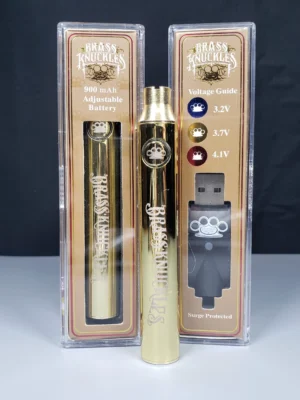
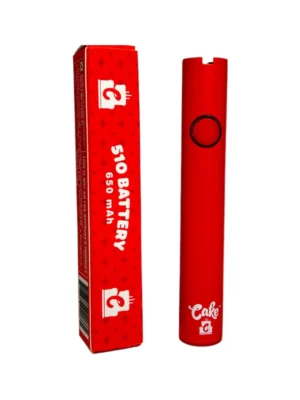
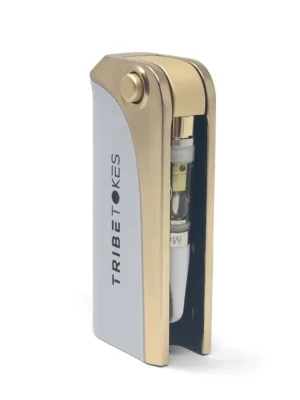
The technical design of a 510 thread battery centers around its standardized ten-millimeter threading with five five-millimeter threads. This universal mechanical threading allows seamless connection between compatible power cells and liquid concentrate cartridges. The central positive contact pin uses a spring-loaded or fixed brass core surrounded by insulated silicone rings. This configuration prevents short circuits while maintaining continuous electrical connectivity during activation. Modern medical-grade batteries utilize stainless steel or zinc alloy outer shells to protect delicate internal electronics from drop impacts. Disclaimers: Inspecting threading for oil residue or physical wear ensures reliable connection and prevents accidental electrical shorts between contacts.
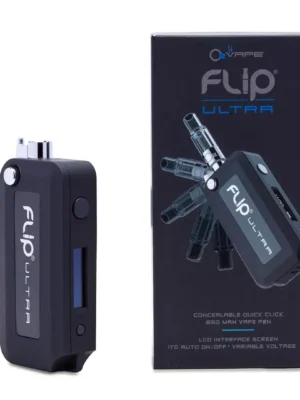
Internal microcontrollers manage electrical output to ensure consistent performance across varying oil viscosities. Variable voltage settings allow users to adjust power levels between two point two volts and three point eight volts. Lower voltage settings preserve delicate aromatic terpenes, while higher voltages effectively vaporize denser botanical extracts. Advanced devices incorporate pre-heating functions that supply gentle low-wattage warmth to melt crystallized extracts before full activation. Precision engineering ensures uniform thermal distribution, preventing scorched internal heating elements and harsh vapor production. Citations: “Standardized 510 connections provide stable resistance matching between portable power units and atomizing cartridges” (Journal of Pharmaceutical Sciences, 2025).
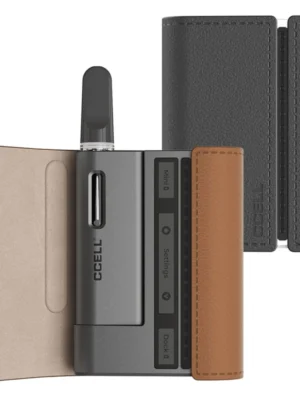
Battery capacity is measured in milliampere-hours, typically ranging from three hundred to nine hundred mAh in portable designs. Compact pen-style batteries provide lightweight portability, whereas larger palm-style units offer extended battery life and enhanced drop protection. Modern units feature draw-activated firing mechanisms or manual push-button controls with automatic shut-off safety timers. Draw-activated models use internal airflow sensors to trigger instant heating upon inhalation, offering straightforward operation for patients. References: Battery Electrical Safety Standards (Standards Australia AS/NZS 62133, 2025); Engineering Review of Micro-Vaporization Hardware (Monash University Engineering, 2026).
Battery Chemistry, Charging Standards, and Electrical Safety
Lithium-ion cell chemistry powers modern 510 thread battery devices, delivering high energy density within a compact form factor. Internal rechargeable cells require strict electrical safeguards to manage charge and discharge cycles safely. Devices certified for distribution in Australia must feature built-in protection circuits against overcharging, short-circuiting, and thermal runaway. UN38.3 certification verifies that internal cells have passed rigorous altitude, thermal, vibration, and impact testing. Disclaimers: Never leave lithium-ion batteries charging unattended or overnight, and store them away from flammable materials at room temperature.
Charging technology has transitioned rapidly toward Type-C USB interfaces, replacing outdated screw-on 510 USB chargers. USB-C connections support intelligent current regulation, reducing overall charging times while protecting against voltage surges. Certified power cells include internal thermal cut-off switches that automatically shut down operation if internal temperatures exceed safe operational thresholds. Using low-quality wall adapters or unapproved high-amp fast chargers can degrade lithium cells rapidly and increase battery failure risks. Citations: “Compliance with UN/DOT 38.3 electrical safety testing remains mandatory for all secondary lithium batteries supplied in Australia” (Electrical Regulatory Authorities Council Australia, 2025).
Environmental storage conditions play a major role in preserving lithium battery lifespan and operational stability. Exposing 510 batteries to extreme temperatures, such as inside hot parked cars, accelerates capacity loss and damages cell chemistry. Moisture exposure can corrode internal circuit boards and trigger permanent electrical shorts. Users should clean threaded contact connections regularly using isopropyl alcohol swabs to remove accumulated oils or dirt. References: Consumer Goods Safety Standards for Products Containing Lithium Batteries (ACCC, 2025); International Electrotechnical Commission Battery Safety Guidelines (IEC 62133-2, 2026).
Temperature Control, Resistance Matching, and Vaporization Physics
Vaporizing viscous botanical extracts requires precise control over thermal output and electrical resistance. Atomizer cartridges typically utilize ceramic heating elements featuring internal resistance values between one point two and two point zero ohms. A 510 thread battery regulates current delivery according to Ohm’s Law to generate predictable thermal energy. Excessive wattage risks overheating delicate plant compounds, producing unpleasant harshness and degrading active therapeutic ingredients. Modern smart batteries automatically detect cartridge resistance and adjust output voltage to prevent accidental coil burnout. Disclaimers: Using incorrect voltage settings on low-resistance cartridges can damage internal heating coils and spoil liquid contents.
Integrated temperature control technology utilizes variable voltage or direct temperature regulation to maintain stable heating parameters. Low-temperature heating, ranging between two point two and two point eight volts, preserves natural botanical terpene profiles for smooth inhalation. Medium settings offer a balance between flavor preservation and dense vapor density. Higher settings accommodate high-viscosity extracts that require greater thermal energy for complete atomization. Advanced microchips maintain steady output voltage even as internal battery charge drops during daily use. Citations: “Precise thermal regulation prevents thermal degradation of active botanical constituents during oral inhalation pathways” (Australian Journal of Medical Technology, 2025).
Airflow design significantly influences heating chamber pressure, atomization efficiency, and overall vapor production. Bottom-airflow cartridges pull fresh air directly through the 510 thread connection pin, whereas top-airflow models draw air through upper intake ports. Power units designed with intake channels carved directly into the top threading ensure smooth, unrestricted draw resistance. Balanced airflow prevents flooding within the central chimney and minimizes oil condensation during routine inhalation. References: Aerosol Dynamics in Micro-Atomizers (Royal Australian Chemical Institute, 2025); Pharmacological Review of Inhaled Therapeutics (University of Queensland Health Sciences, 2026).
Workplace Safety, Travel Protocols, and State Transport Laws
Carrying a 510 thread battery across Australia requires strict adherence to state transport regulations and aviation safety rules. Airline regulations enforced by the Civil Aviation Safety Authority classify lithium-ion batteries as dangerous goods. All power units and spare lithium batteries must travel inside carry-on luggage rather than checked baggage. Passengers must completely switch off devices to prevent accidental button activation during flights. Terminal connections should be protected using insulating caps to prevent contact with metal objects like keys or coins. Disclaimers: Passengers must declare all vaping devices and prescription medical accessories to Australian Border Force officers when traveling internationally.
Workplace health and safety policies across Australian states strictly govern the use of vaporizing hardware in occupational settings. Employers maintain full legal rights to establish smoke-free and vape-free workplace zones. Employees holding valid medical prescriptions must follow designated workplace medical policies and designated break areas. Using vaporizing devices near machinery, construction sites, or high-risk industrial environments remains prohibited under occupational health guidelines. Citations: “Lithium battery accessories carried on domestic Australian aircraft must strictly adhere to CASA carry-on dangerous goods limits” (Civil Aviation Safety Authority Guidance, 2025).
State road transport laws enforce zero-tolerance policies regarding distracted driving and mobile drug testing. Operating a motor vehicle while handling electronic devices or vaporizing accessories constitutes a traffic offense across all states. Drivers must keep hardware stowed securely out of reach while operating vehicles to ensure full road attention. Understanding state-specific laws helps patients remain compliant while traveling with prescribed hardware accessories. References: Civil Aviation Safety Authority Dangerous Goods Regulations (CASA, 2026); Safe Work Australia Guidelines on Occupational Vaping Policies (SWA, 2025).
Maintenance, Troubleshooting, and Responsible Hardware Disposal
Proper maintenance extends the operational lifespan of a 510 thread battery while ensuring safe daily performance. Oil leaks from damaged cartridges can collect on the battery’s central contact pin, causing connection errors or short circuits. Cleaning the top thread connection weekly with a cotton swab dampened with ninety-nine percent isopropyl alcohol removes stubborn residue. Avoid over-tightening cartridges onto the 510 thread joint, as excessive force can push down the spring-loaded center pin permanently. Disclaimers: Never submerge electronic batteries in water or clean them with harsh industrial solvents.
Troubleshooting common operational issues starts with checking physical contact connections and battery charge levels. A flashing indicator light often signals a short-circuit protection trigger, poor connection, or depleted battery capacity. Inspecting the bottom contact pin of the cartridge and gently lifting a depressed battery center pin using a toothpick often restores connection. If a device becomes unusually hot during activation or charging, disconnect it immediately and place it on a non-combustible surface. Citations: “Routine maintenance of electronic medical hardware significantly reduces device failure rates and electrical safety hazards” (National Electronics Safety Council Australia, 2025).
Responsible disposal of lithium-ion batteries protects environmental health and prevents fires in standard municipal waste systems. Expired or malfunctioning 510 batteries must never be thrown into regular household garbage or recycling bins. Australians should drop off old batteries at designated B-cycle drop-off points or local council e-waste collection facilities. Specialized e-waste processors safely dismantle battery components, recovering valuable materials like cobalt, nickel, and lithium for sustainable reuse. References: B-Cycle Australia National Battery Recycling Scheme (B-Cycle, 2026); Australian Environmental Protection Authority E-Waste Management Guidelines (EPA, 2025)
 Skip to content