At THC VAPES AUSTRALIA ONLINE, we’re redefining the cannabis experience
Organic Grown Hemp
Free of pesticides or chemical preservatives
Premium THC Oils
Best quality selection of oils
Lab Tested Vapes
Third party lab testing to ensure quality
Hemp Derived THC
Hemp Derived Cannabinoids
THC Vapes in Australia and how they work
Navigating the legal landscape of THC Vapes in Australia requires an understanding of strict federal and state regulations. Medicinal cannabis is legal across the country, but it remains heavily controlled by the Therapeutic Goods Administration (TGA). Patients cannot simply buy these products over the counter. Instead, you need a valid prescription from an authorised medical practitioner or GP. Approved patients usually source their pharmaceutical-grade items through registered community pharmacies. This legal framework ensures that every device meets strict safety standards and contains clearly labelled cannabinoid profiles.
Modern THC Vapes function by heating botanical cannabis flower or specialized extracts to precise temperatures without causing combustion.Most dry herb devices and 510-thread cartridges operate between 160°C and 210°C. This controlled heat gently transforms active cannabinoids and terpenes into a fine, inhalable mist. Conduction units use direct surface contact, while convection models pass heated air evenly through the plant material. Because there is no actual fire, the hardware avoids producing harsh ash or toxic smoke.
Aussie patients typically choose between portable dry herb vaporisers and pre-filled pharmaceutical liquid cartridges for their daily management routines. Precise temperature control lets users target specific compounds, as lower settings favour aromatic terpenes while higher settings release more THC. Adhering to legal pathways protects consumers from dangerous black-market alternatives that lack quality control. Always chat with a qualified healthcare professional to see if thermal extraction suits your specific health management plan.
Federal law in Australia tightly controls THC Vapes through the Therapeutic Goods Administration. The Therapeutic Goods Act 1989 and the Therapeutic Goods and Other Legislation Amendment (Vaping Reforms) Act 2024 set the national framework. These rules treat medicinal cannabis products as unapproved therapeutic goods or controlled substances. Patients access THC Vapes only with a valid prescription from a doctor or nurse practitioner. Access occurs via the Special Access Scheme or Authorised Prescriber pathway. Supply happens exclusively through pharmacies. Personal importation is banned. Advertising to the public is prohibited. Compliance standards keep shifting. Sponsors must meet quality requirements under TGO 93 for medicinal cannabis products. Devices generally need inclusion on the Australian Register of Therapeutic Goods. Only a small number of vaping devices currently sit on the ARTG for medicinal cannabis use.
These include specific models that heat flower or use proprietary cartridges. None rely on common 510 batteries. The TGA works with the Australian Border Force and state authorities to enforce these rules. Penalties for unlawful importation, manufacture or commercial supply remain severe. They include heavy fines and possible jail time. Legitimate patients obtain THC Vapes through proper medical channels only. This system aims to protect public health while allowing controlled access for genuine therapeutic need. Approved medical hardware differs sharply from illicit devices. Registered or authorized THC Vapes come with known composition, manufacturing standards and pharmacy oversight. Illicit devices lack these safeguards.
They often arrive through unregulated channels and carry unknown contaminants or incorrect dosing. The TGA maintains that only products meeting Essential Principles or ARTG requirements, supplied under prescription, count as lawful. Black-market THC Vapes fall outside this system and face seizure and destruction. Changing compliance standards continue to tighten device safety and substance quality. Importers need Office of Drug Control licences and permits. Manufacturers must follow good manufacturing practice. Patients and prescribers check current TGA guidance because rules update regularly. Always verify product status on official lists before use. This information reflects current federal requirements and does not constitute legal or medical advice. Readers should consult a qualified health practitioner and the TGA website for the latest details on THC Vapes. State and territory laws may add further restrictions.
Are THC Vapes Legal in Australia? Federal vs. State Laws Explained
THC Vapes remain tightly controlled across Australia under federal therapeutic goods rules. The Therapeutic Goods Administration treats any product containing tetrahydrocannabinol as a medicine. You access THC Vapes only with a valid prescription from a doctor or nurse practitioner. Pharmacies alone may dispense both the cannabis product and the authorised device. Federal law under the Therapeutic Goods Act 1989 bans the sale of all vaping goods outside pharmacy settings. This ends the old practice of labelling products as “aromatherapy” or “essential oil” devices to dodge regulation. Those labels no longer work. Every vape is now classed as a therapeutic good, whether it holds nicotine, THC or nothing at all. Devices must appear on the Australian Register of Therapeutic Goods or receive approval through the Special Access Scheme or Authorised Prescriber pathway.
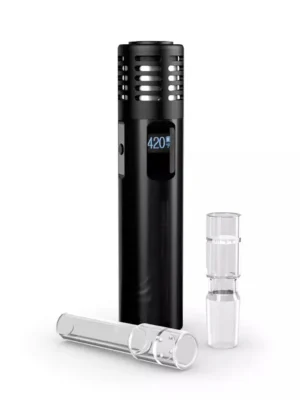
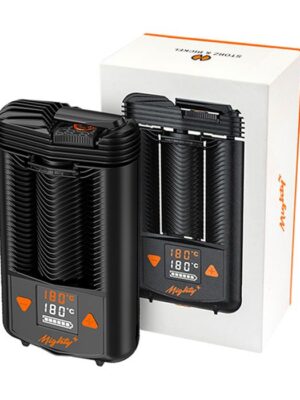
Four devices currently sit on the ARTG for medicinal cannabis use: the SyqeAir Inhaler, Mighty+ Medic, Volcano Medic 2 and Grenco Medical Elite II. None of them uses a standard 510 battery. Buying a THC Vape, empty cartridge or battery from a tobacconist, vape shop or online seller outside a pharmacy breaks the law. State and territory laws reinforce the federal framework rather than create separate recreational pathways. Possession of prescribed THC Vapes stays lawful when obtained correctly, yet recreational use remains illegal everywhere except limited personal amounts of dried flower in the ACT. Enforcement focuses on commercial supply. Penalties for unlawful importation, manufacture or retail sale can reach years in prison and multimillion-dollar fines.
Patients must confirm their pharmacy can supply a compatible authorised device before paying for a cartridge or flower. Using an unapproved 510 battery with a prescribed cartridge still breaches the rules. Always speak with your prescribing clinician and check the latest TGA guidance, as product lists and standards continue to update. This information is general only and does not constitute legal or medical advice. Laws can change; verify current requirements with the TGA and your state health department before obtaining or using any THC Vapes
Understanding TGA Regulations for Medicinal Cannabis Vaping Devices
The Therapeutic Goods Administration sets clear rules for medicinal cannabis vaping devices used with THC Vapes. Fully registered devices appear on the Australian Register of Therapeutic Goods. These products meet strict standards for quality, safety and performance. Four devices currently hold ARTG registration: the SyqeAir Inhaler, Mighty+ Medic, Volcano Medic 2 and Grenco Medical Elite II. Pharmacies can supply them directly once a doctor or nurse practitioner writes a prescription for the matching cannabis product. Patients use these devices to vaporise prescribed flower or specialised cartridges. The TGA prefers them because they have already passed full evaluation. None of the registered devices uses a standard 510 battery.
This keeps the supply chain controlled and reduces risks linked to untested hardware. Doctors prescribe THC Vapes only when inhalation suits the patient’s condition. The pharmacy then dispenses both the medicine and the compatible registered device. This pathway keeps everything legal and traceable under federal law. Unapproved therapeutic vaping devices, often called UTVDs, sit outside the ARTG. They require extra steps through the Special Access Scheme Category B or the Authorised Prescriber pathway. A prescriber must show that none of the registered devices meets the patient’s clinical needs. Only then can the TGA grant approval for an unapproved device. Import still needs a licence and permit from the Office of Drug Control.
The sponsor must also notify the TGA that the device meets essential principles of safety and performance. Supply remains limited to pharmacies. Patients cannot buy these devices from shops or online sellers. The rules protect people from untested hardware that once circulated under misleading labels. Always confirm with your doctor and pharmacist which pathway applies before ordering any THC Vapes. This information is general only and does not replace professional medical or legal advice. Check the latest TGA Medicinal Cannabis Hub for current device lists and requirements, as standards continue to evolve
ARTG-Listed vs. Unapproved Therapeutic Vaping Products in Australia
ARTG-listed devices form the preferred pathway for THC Vapes in Australia. The Therapeutic Goods Administration registers these products on the Australian Register of Therapeutic Goods after full assessment of safety, quality and performance. Four devices currently hold this status: the SyqeAir Inhaler, Mighty+ Medic, Volcano Medic 2 and Grenco Medical Elite II. Doctors prescribe them first because they already meet national standards. Pharmacies dispense both the prescribed cannabis product and the matching registered device. This keeps supply simple and compliant. Patients receive clear instructions for use with their THC Vapes.
The system reduces risk by limiting everyday access to thoroughly evaluated hardware. Unregistered devices stay outside this straightforward route. They only enter the picture when a registered option cannot meet the patient’s clinical needs. When a patient needs a specific non-ARTG device, the doctor or authorised prescriber files a detailed clinical justification. They apply through the Special Access Scheme Category B or the Authorised Prescriber pathway. The application explains why none of the four ARTG-listed devices suits the individual case. It covers medical history, previous responses and the exact therapeutic reason for the alternative. The TGA reviews each request before granting approval.
Only then can a pharmacy supply the unapproved therapeutic vaping device for use with the prescribed THC Vapes. Import still requires Office of Drug Control permits and a sponsor notice confirming essential principles. Supply remains pharmacy-only. This process protects patients while allowing genuine clinical flexibility. Always discuss options with your prescribing clinician. This information is general only and does not constitute medical or legal advice. Check the current TGA Medicinal Cannabis Hub for the latest device lists and pathway requirements, as rules continue to update.
Penalties for Importing or Buying Illicit THC Vapes Online
Buying or importing illicit THC Vapes online carries serious risks under Australian law. The Australian Border Force actively intercepts packages at the border. Officers screen international mail and cargo for unauthorised vaping goods. Any THC Vapes, cartridges or devices that lack proper TGA approval and Office of Drug Control permits get seized. Grey-market sellers often advertise products as “aromatherapy” or “research chemicals.” These claims no longer protect the shipment. Federal rules treat every vape as a therapeutic good. Unlawful importation breaches the Therapeutic Goods Act 1989 and customs regulations.
Personal possession of intercepted goods can still trigger investigations. Buyers face the loss of the product and possible further action if the quantity suggests commercial intent. Legitimate medical pathways through pharmacies remain the only safe route. Heavy financial and criminal penalties apply to both sellers and buyers involved in illegal grey-market importing of THC Vapes. Maximum criminal penalties reach seven years imprisonment and fines of thousands of penalty units. For an individual this currently equates to well over one million dollars. Corporations face even higher amounts.
Commercial possession or supply of unapproved devices attracts the strongest sanctions. Online purchases from overseas websites fall under the same rules. The ABF and TGA share information with state authorities. Repeat or large-scale activity leads to prosecution. Patients who need medicinal cannabis must use authorised prescribers and registered pharmacies instead. This information is general only and does not constitute legal advice. Always check the latest TGA and Australian Border Force guidance before considering any online purchase of THC Vapes, as enforcement priorities and penalty amounts continue to update.
Medical Access & Telehealth Pathways
Getting hold of THC Vapes in Australia starts with a proper medical chat. Most people now jump on a telehealth consult with a registered doctor or nurse practitioner. You talk through your history, symptoms and whether inhalation makes sense for you. If it does, the script covers both the medicinal cannabis and the right device. Pharmacies then dispense the lot. Four ARTG-listed units currently rule the pharmacy shelves for THC Vapes. The SyqeAir Inhaler gives precise measured puffs from its own sealed cartridges. The Mighty+ Medic is the go-to portable hybrid heater for flower. The Volcano Medic 2 sits on the bench for steady desktop sessions.
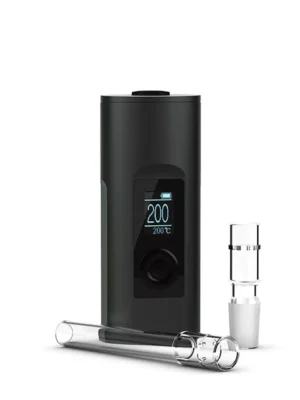
The Grenco Medical Elite II rounds out the portable medical options. None of them uses those common 510 batteries you see online. These registered devices have already cleared TGA checks for safety and performance, so chemists stock them without drama. Patients walk out with clear instructions and a follow-up plan. Telehealth keeps the whole process straightforward for everyday Australians chasing legal THC Vapes. You book online, fill in the forms and speak to the clinician from home. Once the prescription lands, the pharmacy orders the matching hardware if it isn’t already on the shelf. Most scripts stick with the four ARTG devices that dominate dispensaries right now.
Anything outside that list still needs extra clinical paperwork under the Special Access Scheme or Authorised Prescriber pathway. Stick to the registered gear and you stay on the right side of the law. Always double-check with both your doctor and the chemist that the device fits the product before you pay. This is general information only and doesn’t replace personal medical advice. Pop over to the TGA Medicinal Cannabis Hub or your telehealth clinic for the latest device stock and rules, because things do shift.
How to Access Legal THC Vapes Through the Special Access Scheme (SAS-B)
The Special Access Scheme Category B offers a pathway for legal THC Vapes when standard ARTG-listed devices fall short. A doctor or nurse practitioner first confirms that none of the four registered options suits the patient’s clinical needs. They then submit a detailed application to the TGA. The request outlines the medical history, why hybrid-heating or specific battery features matter, and the exact unapproved device required. Once approved, the prescriber can authorise supply of that particular therapeutic vaping product. Pharmacies handle the dispensing. Import still needs Office of Drug Control permits. The process keeps everything above board under federal rules. Patients stay within the legal medical system instead of risking grey-market options.
Unapproved devices accessed via SAS-B vary in design, so no single hybrid-heating or battery specification applies across the board. Each unit must still meet essential principles of safety and performance. Medical certification comes through the TGA approval for that individual case rather than full ARTG registration. Pharmacy pricing depends on the specific device and supplier. Costs often sit higher than the standard registered models because of limited volume and extra compliance steps. Expect to discuss exact figures with both the prescriber and the dispensing chemist before ordering.
Always confirm the approval covers both the cannabis product and the device. This information is general only and does not replace personal medical or legal advice. Check the current TGA Medicinal Cannabis Hub and speak with your authorised prescriber for the latest SAS-B requirements and device options for THC Vapes, as pathways and listings continue to update.
Finding Authorised Prescribers for Medical Cannabis Inhalation in Australia
Finding an authorised prescriber is the first step for legal THC Vapes in Australia. Patients search for doctors or nurse practitioners registered under the Authorised Prescriber scheme or those who regularly use the Special Access Scheme. Telehealth clinics make the process simple. You book online, share your medical history and discuss whether inhalation suits your needs. Once approved, the prescriber can recommend suitable hardware for home use. Many clinicians favour desktop convection systems for steady, controlled sessions. These units heat air and pass it through the flower without combustion.
Balloon inflation systems collect the vapour so patients can inhale at their own pace. This setup works well for home-based medical administration of THC Vapes. It keeps dosing consistent and reduces waste. Authorised prescribers help patients match the right device to their lifestyle. Desktop convection technology with balloon systems dominates recommendations for people who prefer fixed home sessions. The air heats evenly and fills a balloon that holds the vapour ready for use. Battery specs matter less here because these units plug into the wall. Medical certification comes through ARTG listing for the main models or individual TGA approval for others.
Pharmacy pricing for the leading desktop option usually sits in the higher range because of the precise engineering. Patients confirm stock and cost with the dispensing chemist after the script is written. Always work with a qualified authorised prescriber rather than buying hardware online. This information is general only and does not replace personal medical advice. Check the TGA Medicinal Cannabis Hub and speak with your clinician for current authorised prescriber pathways and device options for THC Vapes, as details can change.
What to Expect During Your First Telehealth Consultation for Cannabis Vapes
Your first telehealth chat for THC Vapes feels pretty straightforward. You jump on a video or phone call with a registered Aussie doctor or nurse practitioner from the comfort of home. They run through your medical background, what you’ve already tried, and whether vaping the medicine makes sense for you. Once that’s sorted, the talk shifts to the actual gear. Metered-dose devices like the SyqeAir give you the same measured amount every single puff from their sealed cartridges. Dry-herb options such as the Mighty+ Medic or Grenco Elite II use open chambers where you load your own ground flower and tweak the temperature.
Desktop units have bigger chambers built for longer home sessions. The doctor walks you through these differences so you can picture how each one works with cannabis vapes in real life. Budget-friendly picks sit among the registered models, and prices jump around depending on which pharmacy you use. By the end of the consult you usually walk away with a clear next step. If THC Vapes are the right fit, the script covers both the cannabis product and a matching device. You get a feel for which chamber style or precise dosing system suits your routine and wallet.
Most Australian pharmacies keep the main ARTG-listed units in stock or can order them in quickly. Costs vary between chemists, so it’s worth double-checking the current price before anything gets ordered. Follow-up calls later check how the chosen device is performing for you. Ask as many questions as you need about dosing accuracy, chamber size and ongoing costs while you’re still on the call. This is just general info and isn’t a substitute for personal medical advice. Have a yarn with your telehealth clinician and the dispensing pharmacy for the latest device details and pricing on THC Vapes, because stock and costs do shift.
Pharmacy Fulfillment: How Australian Pharmacies Dispense Medical Vapes
Australian pharmacies now handle every legal sale of THC Vapes and the devices that go with them. The big retail shift in 2024 locked therapeutic inhalation products exclusively inside licensed pharmacies. Tobacconists, vape shops and convenience stores can no longer touch any of it. Only registered retail and compounding pharmacies may supply the prescribed cannabis product and the matching vaporiser. Patients bring their script to the chemist. The pharmacist checks the details, orders the specific THC Vapes if needed, and hands over both the medicine and an ARTG-listed or approved device.
This keeps the whole process inside the regulated pharmaceutical supply chain. It stops grey-market gear from reaching people and makes sure every unit meets quality standards. The pharmacy team walks patients through practical next steps. They confirm the device is compatible with the prescribed flower or cartridge. Stock of the main registered units usually sits ready or arrives within a few days. Compounding pharmacies step in when a special formulation or unapproved device needs preparing under TGA pathways. Pricing and availability still vary between chemists, so patients often ring ahead.
The pharmacist also covers basic use instructions and storage tips for THC Vapes. Everything stays traceable and legal. This system protects patients while cutting out the old free-for-all retail scene. This information is general only and does not replace personal medical or legal advice. Always speak with your prescribing clinician and the dispensing pharmacy for current stock, pricing and requirements around THC Vapes, as rules and product lists continue to update
Product Formulations & Inhalation Science
THC Vapes in Australia come in two main formulations that patients and clinicians compare every day. Dried flower remains the most common. It holds the full plant profile and needs a dry-herb vaporiser to release the cannabinoids without burning. Oil cartridges deliver a concentrated extract. They heat a liquid and produce vapour through a small coil. The science behind both centres on controlled temperature. Too low and little THC comes across. Too high and the vapour can irritate. Hardware mechanics matter here. Convection units push hot air through the chamber. Conduction models heat the material by direct contact. Metered-dose systems measure each puff for consistency. These differences drive a lot of the technical searches people run when they first look into legal THC Vapes.
Australian pharmacies stock devices that match each formulation. Portable hybrid heaters suit people who want flower on the go. Desktop convection systems with balloon collection work better for longer home sessions. Cartridge systems stay simpler but limit temperature control. Patients learn that chamber size, airflow and battery life all change how the dose feels. Doctors and pharmacists walk through these mechanics so users understand why one setup may suit them better than another. The goal is steady, reliable delivery of the prescribed medicine. This information is general only and does not replace personal medical advice. Always talk with your authorised prescriber and dispensing pharmacist about the right formulation and hardware for your THC Vapes, as device options and clinical guidance continue to update.
Dry Herb Vaporizers vs. THC Cartridge Vapes: Australian Medical Options
Australian patients choosing THC Vapes often weigh dry-herb vaporisers against cartridge systems. Whole-flower options use prescribed dried cannabis. You grind the material and load it into a chamber. The device heats it just enough to release cannabinoids and terpenes without combustion. Portable hybrids like the Mighty+ Medic and Grenco Elite II dominate this space. Desktop units such as the Volcano Medic 2 offer larger capacity and balloon collection for home use. The full plant profile comes through, and temperature control lets patients fine-tune the experience. Pharmacies dispense these ARTG-listed devices alongside the flower script. This route keeps everything legal and consistent under TGA rules.
Cartridge-style THC Vapes rely on pharmaceutical-grade liquid extracts or distillates. The oil sits in a sealed pod or cart that screws onto a compatible battery or uses a dedicated system like the SyqeAir. Heating happens through a small coil, and dosing can feel more precise with metered devices. These products arrive ready to use and need less preparation. However, the range of effects can feel narrower than whole flower because some plant compounds are left behind. Australian pharmacies stock both pathways, but the device must match the prescribed formulation. Doctors help patients decide which suits their needs and lifestyle. This information is general only and does not replace personal medical advice. Always discuss the options with your authorised prescriber and dispensing pharmacist before choosing between dry-herb and cartridge THC Vapes, as availability and clinical guidance continue to update.
The Mechanics of Vaporisation: Why Inhalation Differs from Edibles and Oils
THC Vapes work through the lungs and deliver cannabinoids straight into the bloodstream. This route gives rapid bioavailability. Patients often feel effects within minutes. Peak plasma concentration arrives quickly, usually inside the first ten to fifteen minutes. The body absorbs a high percentage of the available THC because it skips the digestive system. This makes inhalation useful for short-duration symptom management when fast relief is needed. Doctors in Australia prescribe this method when timing matters for the patient.
Edibles and oral oils take a completely different path. They travel through the stomach and liver first. First-pass metabolism converts much of the THC into other compounds. Bioavailability drops and the onset stretches out to thirty minutes or longer. Peak levels arrive later and the effects last for several hours. This slower profile suits steady, longer coverage rather than immediate needs. The contrast helps clinicians match the right format to each person’s symptoms.
Australian prescribers explain these differences during consultations for THC Vapes. Inhalation offers control over timing and intensity through temperature and number of puffs. Oral options provide longer coverage with less frequent dosing. Patients learn that neither method is better overall. The choice depends on the condition and lifestyle. This information is general only and does not replace personal medical advice. Always discuss bioavailability and duration with your authorised prescriber before deciding on THC Vapes or other formats, as individual responses vary.
How to Read Certificates of Analysis (COAs) for Australian Medical Cannabis
Certificates of Analysis help Australian patients check the quality of their prescribed cannabis, including products used in THC Vapes. Start with the cannabinoid profile section. Look for the exact THC and CBD percentages or ratios. These numbers should match what your doctor prescribed. A higher THC figure means stronger psychoactive potential. Balanced ratios suit different symptom needs. Reputable labs list both total and decarboxylated values so you know what the product actually delivers when vaporised.
Next, scan the terpene section and purity results. Terpenes influence aroma and may shape the overall effect. Clean reports show clear levels of common compounds like myrcene or limonene without unexpected spikes. Purity checks confirm the absence of residual solvents from extraction. This matters especially for oil cartridges used in THC Vapes. Heavy metal screening appears further down the page. Results should sit well below safety limits for lead, arsenic, cadmium and mercury. Any elevated reading is a red flag.
Australian pharmacies and licensed producers supply these reports on request. Patients can ask the dispensing chemist for the latest COA before filling a script for THC Vapes. Compare the batch number on the product against the report. This simple step builds confidence in what you are using. This information is general only and does not replace professional medical advice. Always discuss lab results and product details with your authorised prescriber or pharmacist, as testing standards and reporting formats continue to evolve.
Dosage Titration and Low-Temperature Vaping for Beginners
Beginners starting THC Vapes follow a careful titration approach under clinical guidance. Doctors usually recommend beginning with the lowest effective setting. Patients take one small inhalation and wait. Effects from vaporised cannabis appear within minutes, so there is no need to rush. Low-temperature vaping, often between 160 and 180 degrees Celsius, releases cannabinoids more gently. This reduces the chance of harsh vapour and helps new users stay comfortable. The goal is steady symptom relief without sudden intensity.
Monitoring inhalation volume forms the next step. Patients note how many short puffs they take and how they feel afterwards. Keeping a simple diary helps track response over the first few days. Increasing the dose only happens after discussion with the prescribing clinician. Over-medication can bring unwanted effects such as dizziness or strong sedation. Sticking to the agreed plan keeps the process safe and controlled. Australian pharmacies supply devices with clear temperature controls that support this gradual method.
Clinicians stress patience during the early phase of using THC Vapes. Everyone responds differently, so personal observation matters. Follow-up appointments allow the doctor to adjust the plan if needed. This information is general only and does not replace personalised medical advice. Always follow the specific instructions from your authorised prescriber and pharmacist when starting THC Vapes, as individual needs and device settings vary.
Patient Guidance, Operation, & Maintenance
Patients using THC Vapes need clear day-to-day guidance on handling their device. Always start with a clean, dry chamber or cartridge. Load the prescribed amount of flower or attach the sealed pod as directed. Set the temperature to the range your doctor recommends. Take slow, steady inhalations rather than long deep draws. This helps control the dose and keeps the vapour smooth. After each session, switch the unit off and let it cool before packing it away. Simple habits like these keep the device working reliably.
Regular maintenance stops residue from building up. For dry-herb models, empty the chamber after every use and brush out leftover material. Wipe the mouthpiece and air path with a soft cloth. Some units allow isopropyl alcohol cleaning on certain parts—check the manufacturer instructions first. Cartridge systems need less work but still benefit from a quick wipe around the connection points. Store everything in a cool, dry spot away from direct sunlight. Proper upkeep extends the life of the hardware and keeps flavour consistent with THC Vapes.
Australian pharmacies and clinicians often share basic care tips when the device is first dispensed. Patients who follow these steps report fewer issues and steadier performance. If something feels off—odd taste, weak vapour or error lights—stop using it and contact the pharmacy or manufacturer. This information is general only and does not replace the specific instructions that come with your device or advice from your prescriber. Always refer to the official guide for your model of THC Vapes and speak with your pharmacist if you have questions about operation or cleaning.
How to Talk to Your Doctor About Prescribing a Medical Vaporiser
Preparing for a telehealth consultation makes the conversation about THC Vapes much smoother. Write down your main symptoms, past treatments and any side effects you have experienced. Note why you prefer inhalation over other forms. Have a list of questions ready about device options and dosing. Join the call in a quiet spot with good internet. This helps the doctor understand your needs quickly and decide whether a medical vaporiser fits your situation.
During the appointment, discuss the benefits of vaporisation compared with smoking. Inhalation heats the cannabis without burning it, so fewer harmful by-products reach the lungs. Effects arrive faster than edibles and allow tighter control over each dose. Explain how this matches your daily routine and symptom pattern. The doctor can then weigh these points against your full medical history. Clear, honest talk helps them see whether THC Vapes belong in your treatment plan.
Once the clinician agrees, the next step is integrating the hardware properly. The prescription covers both the cannabis product and a compatible device. Ask which registered models the pharmacy can supply and how to start at a low dose. Follow-up appointments let you report progress and adjust settings if needed. This information is general only and does not replace personal medical advice. Always work with your authorised prescriber to build a safe, legal plan around THC Vapes that suits your individual needs.
Step-by-Step Guide: Proper Loading, Grinding, and Cleaning Techniques
Correct grinding and loading optimise airflow in medical THC Vapes and deliver consistent vapour. Use a clean grinder to break flower into medium, even pieces. Avoid powder that clogs screens. Fill the chamber loosely so air moves freely around the material. Over-packing restricts flow and reduces vapour quality. Leave a little space at the top. For capsule systems, fill evenly without pressing hard. These steps keep airflow clear and support reliable performance in TGA-approved devices used by Australian patients.
Packing the chamber correctly prevents hot spots and extends device life. Place ground flower evenly across the base. Do not compress it tightly. A light, airy pack allows heat to reach all material without burning. After loading, close the chamber firmly but gently. Always empty spent material once the session ends. Residue left behind hardens and blocks future airflow. Simple packing habits maintain medical-grade function and reduce the need for deep cleans later.
Regular cleaning with approved isopropyl keeps THC Vapes hygienic and performing at clinical standards. Empty the chamber after every use. Remove mouthpieces, screens and cooling units. Soak only these parts in 70–99% isopropyl alcohol for up to 30 minutes. Brush away residue with a soft tool. Rinse thoroughly with warm water and dry completely before reassembly. Never soak the main body or battery. Wipe exterior surfaces with a clean cloth. These routines prevent build-up, protect airflow and help medical hardware last longer. This guide is informational only for legal prescribed use. Always follow your device manual and seek advice from your prescriber.
Troubleshooting Common Issues: Weak Vapor, Battery Drain, and Airflow Blockages
Proper care of medical THC Vapes keeps devices performing at clinical standards and extends their lifespan. Weak vapour often stems from low battery charge, thick oil in cooler conditions, or restricted airflow. Charge the battery fully before each session. Warm the cartridge gently in your hands for a minute to thin the oil. Clean contact points with a dry cotton swab. Keep the device upright during storage. These simple steps restore consistent vapour production without stress on the hardware. Regular checks prevent performance drops and support reliable daily use for prescribed patients.
Battery drain shortens device life when users leave units charging overnight or run high voltage settings constantly. Unplug once the light shows full charge. Store batteries at room temperature away from heat or direct sun. Wipe threads clean after every few sessions to maintain good contact and reduce unnecessary power draw. Avoid overtightening cartridges, as this strains connections and accelerates wear. Short, steady draws help conserve energy while delivering even vapour. These habits keep medical THC Vapes ready for consistent clinical performance over months of careful use.
Airflow blockages form when residue or cooled oil settles in the mouthpiece or airway. Clear mild clogs by warming the unit and taking a few gentle dry pulls without firing. Wipe the mouthpiece and intake holes regularly with a soft cloth. Never force tools into sealed parts. Empty chambers after use on dry-herb models and follow manufacturer cleaning guidance for removable components. Consistent maintenance stops blockages before they limit vapour flow. These practical tips help Australian patients maintain TGA-regulated medical hardware at peak standards. This information is purely educational for legal prescribed use and is not medical advice. Consult your prescriber or pharmacist for device-specific guidance
Sourcing Approved Spare Parts and Accessories in Australia
Pharmacy access to genuine replacement screens, mouthpieces and seals keeps medical THC Vapes safe and effective. TGA rules treat these parts as therapeutic goods when they belong to approved devices. Only registered pharmacies can lawfully supply them for medicinal use. Unofficial sources risk poor fit, material failure or contamination. Genuine parts maintain correct airflow and temperature control. Patients who stick to pharmacy channels protect both device performance and legal compliance. This approach supports consistent clinical results over the life of the hardware.
Replacement screens and mouthpieces wear with regular use and affect vapour quality. Seals prevent leaks and keep the heating chamber airtight. When these components degrade, airflow drops and residue builds faster. Pharmacies stock parts matched to ARTG-listed devices such as the Mighty+ Medic and Volcano Medic 2. Using the correct seal or screen restores proper function without guesswork. Regular checks and timely replacement through a pharmacy extend device lifespan and reduce the chance of performance issues during treatment.
Sourcing spare parts outside approved channels can compromise medical-grade safety. Non-genuine accessories may use untested materials or incorrect dimensions. These can alter heat distribution or allow residue to reach the battery area. Australian patients protect themselves by ordering only through their dispensing pharmacy or authorised supplier. Always confirm the part matches the exact device model. This practice keeps THC Vapes operating to the standards expected for prescribed medicine. The information here is purely educational for legal medical use. Speak with your pharmacist or prescriber for device-specific advice.
Safety, Workplace, & Travel Regulations for THC Vapes
Australian patients using prescribed THC Vapes face strict road rules that prioritise public safety. Most states and territories treat any detectable THC as an offence, even with a valid prescription. NSW has passed reforms that will allow registered patients an exemption below a set threshold once the system starts in late 2026 or early 2027. Until then the zero-tolerance rule still applies. Drivers must never operate a vehicle if impaired. Roadside testing continues everywhere and impairment charges remain serious. Always check the latest rules for your state before you drive.
Workplace policies often test for presence of THC rather than actual impairment. Safety-critical roles such as driving, machinery operation or construction commonly enforce zero-tolerance standards. A prescription does not automatically protect employment in these jobs. Employers can require disclosure and conduct risk assessments. Reasonable adjustments may be possible in lower-risk roles under discrimination laws. Patients protect themselves by talking openly with their employer and following any workplace policy. Clear communication reduces unexpected issues and keeps everyone safer.
Domestic travel with medical THC Vapes is permitted when the product stays in original pharmacy packaging with the dispensing label. Carry a copy of the prescription or a doctor’s letter. Prefer hand luggage on flights. Prescribed medicine sits outside normal liquid limits. Check the destination state’s possession rules before you travel, as requirements can differ. Keep devices and medicine together and never share them. These practical steps help patients move around Australia without unnecessary risk. This information is purely educational for legal prescribed use and is not legal or medical advice. Confirm current rules with official sources or your prescriber.
Roadside Drug Testing in Australia: THC Zero-Tolerance Laws
Australian police use roadside saliva tests to detect THC from medical THC Vapes and other sources. Most states and territories apply a zero-tolerance approach. Any detectable THC in oral fluid triggers an offence. Officers collect a sample with a swab and send positive results for laboratory confirmation. Testing targets the active compound rather than long-term metabolites. Patients with a valid prescription still face the same presence rules in the majority of jurisdictions. Always assume a positive result carries legal consequences until the law in your state says otherwise.
Detection windows vary with dose, frequency and individual factors. Saliva tests commonly pick up recent THC use for several hours and sometimes longer after vaping. Regular patients may test positive well after the last dose. Urine tests look for metabolites that linger for days or weeks, but roadside checks focus on oral fluid. A medical prescription does not create an automatic defence against the presence offence in most places. Only Tasmania currently offers a limited defence when the product is used as prescribed. Drivers remain responsible for knowing their local rules.
Impairment laws sit separately from presence offences and apply everywhere. Police can still charge a driver who appears affected, even if THC levels fall below any future threshold. NSW has passed reforms that will introduce a registration scheme and a concentration limit for eligible patients, but the changes have not yet commenced. Until they do, zero-tolerance continues. Patients who use THC Vapes should never drive if they feel affected. This information is purely educational for legal prescribed use and is not legal advice. Check the latest rules with Transport authorities or your prescriber before driving.
Workplace Safety Policies and Medical Cannabis Vaping in Australia
High-risk industries across Australia apply strict zero-tolerance rules to medical cannabis and THC Vapes. Transport, aviation, mining and construction treat any detectable THC as a safety risk. Employers rely on presence-based testing rather than impairment assessments. A valid prescription does not automatically override these policies. Workers in these sectors face possible suspension or dismissal if a test returns positive. Companies must still follow workplace health and safety duties and consider reasonable adjustments where feasible. Patients protect their roles by understanding the specific policy that applies to their job.
Disclosure remains the safest practical step for anyone using prescribed THC Vapes. Most workplace policies require employees to report medications that could affect performance. Failure to disclose can weaken any later defence if a positive test occurs. Employers then conduct risk assessments and may reallocate duties or require medical clearance. Courts have upheld dismissals in safety-critical roles when workers did not follow the policy. Open conversation early helps both sides manage risk without surprises. Regular review of the company drug and alcohol policy keeps expectations clear.
Discrimination laws offer limited protection but do not remove safety obligations. The Disability Discrimination Act and Fair Work rules prevent unfair treatment solely because of a prescription. Yet employers can act when medication prevents a worker from meeting the inherent requirements of a high-risk role. Reasonable adjustments apply only where they do not create unjustifiable hardship or compromise safety. Patients in transport, mining or construction should speak with their prescriber and employer before starting treatment. This information is purely educational for legal prescribed use and is not legal advice. Always confirm current workplace rules and seek professional guidance if needed.
Can You Travel Domestically with Prescribed Medical Vapes in Australia?
Yes, Australian patients can travel domestically with prescribed medical THC Vapes when they follow simple rules. Keep the product in its original pharmacy packaging with the dispensing label clearly visible. Carry a copy of the prescription or a letter from the prescribing doctor. Airline security treats prescribed medicine as exempt from the usual 100 ml liquid limit. Place the medication and device in carry-on luggage so it stays with you. Screening officers may ask to see the packaging and paperwork. Presenting labelled medicine and supporting documents resolves most questions quickly.
State border rules add another layer that patients must check. Possession of Schedule 8 medicines such as THC products follows the laws of the state or territory you enter. Some jurisdictions expect a prescription from a local practitioner or additional documentation. Contact the health department of your destination before you travel. Carrying more than a personal supply or sharing the product can create problems. Stick to the quantity listed on your current prescription. These steps keep domestic trips straightforward and lawful.
Airline guidelines remain consistent across major carriers for domestic routes. Security focuses on aviation safety rather than drug enforcement, yet proper documentation prevents delays. Never pack medical THC Vapes in checked baggage where temperature and handling vary. Keep devices and cartridges together with the labelled medicine. Patients who prepare in advance move through airports without unnecessary stress. This information is purely educational for legal prescribed use and is not legal advice. Always confirm the latest requirements with the airline and the destination state’s health authority before you fly.
Respiratory Health and Safety: Why Medical Vaporising Beats Smoking
Traditional cannabis smoking forces plant matter through high-temperature combustion, creating destructive tar and dangerous carcinogens. When you spark a joint, intense fire destroys delicate lung tissue while releasing toxic carbon monoxide and polycyclic aromatic hydrocarbons. Clinical comparisons show that thermal extraction completely changes this outcome by utilizing controlled heating instead of actual fire. Medical THC Vapes warm the botanical material just enough to release active cannabinoids into a clean mist. This smart approach spares your respiratory system from the harsh byproducts of burning plant material altogether.
By avoiding fire, THC Vapes eliminate the heavy tars that typically coat bronchial passages during routine smoking sessions. Clinical studies indicate that thermal devices operate well below combustion points, drastically reducing your exposure to respiratory irritants. Patients often notice immediate improvements in lung capacity and airflow once they swap out traditional bongs for modern THC Vapes. Your airways experience significantly less inflammation because there is no smoke or ash entering the lungs. This clean delivery method protects long-term pulmonary wellness while still providing fast-acting medicinal relief.
Choosing a quality device is a fair dinkum game-changer for anyone wanting to look after their chest and overall wellbeing. Regulated THC Vapes give you precise temperature control so you only inhale pure active compounds rather than toxic chemical residues. Aussie patients are increasingly swapping out joints for dry herb vaporisers to keep their airways clear and happy. Modern clinical guidelines always remind folks to source approved products through proper legal channels for peace of mind.
Frequently asked questions on THC Vapes in Australia
Are THC vapes legal in Australia?
THC vapes are tightly regulated in Australia and are not legally available as ordinary over-the-counter consumer products. THC vape pens and cartridges contain tetrahydrocannabinol, the psychoactive compound in cannabis. When supplied as medicinal cannabis, these products generally require a valid prescription from an authorised medical practitioner and must comply with applicable Commonwealth and state or territory laws. Many medicinal cannabis products are unapproved therapeutic goods, so access occurs through specific regulatory pathways. A product advertised online is not necessarily legal to buy, possess or import. Check the Therapeutic Goods Administration (TGA) for current guidance.
THC vapes generally require a valid prescription and lawful supply through an appropriate medicinal cannabis pathway. Many THC-containing medicinal cannabis products are Schedule 8 controlled medicines, although classification depends on the product. A prescription does not automatically make an imported THC vape lawful. The Office of Drug Control regulates imports, and separate restrictions apply to vaping devices, cartridges and related goods. Unauthorised imports may be seized and can lead to legal consequences. Check the ODC’s cannabis vaping import rules and the TGA’s current guidance. This article is for legal education, not medical advice.
How do I get a prescription for medical THC vape cartridges in Australia?
To get legal THC vapes in Australia, first, book an appointment with an Australian-registered GP or telehealth clinic. Legitimate telehealth clinics charge a medicinal cannabis assessment fee. Explain your symptoms, conditions, prior treatments and medications to your doctor. The doctor determines if your condition could benefit from medicinal cannabis. If it does, he/she will decide if inhalation is the most appropriate route of administration. THC vapes are not sold over the counter and require a prescription and regulatory authorization. THC vapes are considered Schedule 8 Pharmaceutical Benefits Scheme (PBS) products and are not listed on the Australian Register of Therapeutic Goods (ARTG). Your doctor evaluates the balance between the available information, possible risks and alternate treatments before deciding on a suitable product. Source: TGA Medicinal Cannabis Guidance.
Your doctor can get the product through the TGA’s Authorised Prescriber or Special Access Scheme. The route your doctor takes depends on the product and the clinical need of the patient. Under the Authorized Prescriber scheme, the doctor is eligible to prescribe the product to the patient if the patient is within the authorization framework. Under the Special Access Scheme Category B (SAS-B), the doctor has to justify the need to treat the patient with the specified medicine to the TGA. The TGA can and will turn down a request. Read the TGA’s guidance for the latest requirement.
Prior to THC vape cartridge purchase, confirm the specific product and delivery device can legally be supplied. The TGA distinguishes cannabis-containing cartridges from vaping devices, and separate regulatory requirements may apply. Approved medicinal cannabis vaping devices are available through pharmacies, and unapproved devices require the relevant regulatory pathway and compelling clinical justification. Your doctor explains THC-related side effects, and possible medicine interactions and driving restrictions. THC can impair driving, and state and territory laws apply. Never purchase illicit cartridges or use unverified products. This article provides general educational information, not medical advice. Consult a qualified practitioner and check current TGA device guidance.
Can you buy THC vapes online or from a local vape shop in Australia?
As of now, you cannot buy THC vapes from Australian vape shops, tobacco stores, or convenient stores. The Therapeutic Goods and Other Legislation Amendment (Vaping Reforms) Act 2024 places strict regulations on all vape products, regardless of what substance is being vaped. The Therapeutic Goods Administration (TGA) is the governing body of the regulation of vaping products. Non-pharmacy stores are prohibited by law to sell vaping products even if customers claim they have a prescription. TGA’s retailer’s guide provides more information. THC vapes are still illegal to buy and sell in Australia.
Beware buying THC vapes online. Just because an Australian online retailer or an online retailer based in a different country sells THC vapes, doesn’t mean they have the legal right to sell THC vapes. THC vapes and other medicinal cannabis products generally require a prescription and can only be sold and supplied via the TGA’s pathway. Prescribed medicinal cannabis products must be supplied and sold only through an authorized pharmacy. Importing THC vapes and cartridges may be illegal and can land you in legal trouble. The TGA restricts advertising, selling, and supplying vaping products. TGA’s medicinal cannabis website and other regulatory resources provide more information. You should contact your doctor before considering medicinal cannabis.
Australia’s vaping changes don’t mean all medicinal cannabis vaping devices are banned. The Therapeutic Goods Administration (TGA) approves certain vaping devices for the consumption of medicinal cannabis. Having an approved vaping device does not make other THC vaping cartridges legal. The medicinal cannabis laws of Australia outline that each aspect must be examined independently. The laws for nicotine therapeutic vapes do not permit a general retail exemption for THC products. Buyers should be vigilant for THC products bought over the internet, as these may contain unapproved, untested substances and potentially dangerous ingredients. THC can cause impairment and adverse effects. This article provides educational and legal information generally, and is not substitutional to medical or legal advice. For up-to-date information on THC vape devices, consult a medical professional.
Will using a prescribed THC vape cause me to fail a roadside drug test?
Yes. You can test positive on a roadside drug test using prescribed THC vapes in Australia. THC stays in your system long after the high wears off. Police use a number of different oral fluid screening devices, including DrugWipe-style tests, to detect THC. A valid medical THC prescription will not exempt you from a positive roadside drug test or a drug-driving charge. Australian road laws vary between states and territories. Presence-based offences vary from zero tolerance to a threshold of detectable limits of THC, where the limit differs for each state and territory. The safest option would be to not use THC vapes and to check your local rules on transport, in the meantime.
Roadside drug testing laws in Australia vary, but the majority of states and territories have THC detection limits in blood or saliva, regardless if you hold a valid medical prescription. In Tasmania, if the statutory requirements for a medical defence are met, you may have a valid defence, but driving while impaired is still illegal. New South Wales has a similar system for eligible, registered medicinal cannabis patients. These reforms do not make THC vapes safe to use before driving. Check the latest advice from your state or territory transport authority. Source: Austroads Fitness to Drive Guidance.
Using THC vapes can impact your reaction time, attention, coordination, and judgment even if you stick to your prescription. A roadside saliva test can only tell you if THC is present, not if you are impaired. If THC is present, a positive screening test may require a more thorough laboratory test to confirm. There are a lot of individual factors that make it impossible to know how long you need to wait to be sure THC won’t show up in a test. Only drive if you are certain THC won’t affect you. Talk to your prescribing doctor about driving before starting treatment and make other plans to get around if you need to. This article gives general information and should not be taken as legal or medical advice. Check the laws where you are going to make sure you can drive there.
What is the difference between a dry herb vaporizer and a THC vape cart in Australia?
The main difference between a dry herb vaporiser and THC vape carts in Australia is the material each device heats. A dry herb vaporiser heats dried cannabis flower to release cannabinoids and aromatic compounds without intentionally burning the plant. A THC vape cart contains a liquid or semi-solid cannabis extract, such as distillate or resin, in a pre-filled cartridge. The cartridge connects to a compatible battery or vaporiser. Both formats can deliver THC, but their ingredients, heating systems and dosing characteristics differ. Patients should discuss suitable medicinal cannabis products with a registered Australian healthcare practitioner before starting treatment.
In Australia, regulatory approval is an important distinction. The Therapeutic Goods Administration (TGA) lists medicinal cannabis vaporisers on the Australian Register of Therapeutic Goods (ARTG), including the Mighty+ Medic and Volcano Medic 2. These devices meet applicable medical-device requirements and are available through pharmacies. However, TGA-listed medical vaporisers are intended for medicinal cannabis use, not general dry herbs. Ordinary consumer dry herb vaporisers are not automatically approved for medical use. Check the TGA’s approved device list before selecting a device for prescribed treatment.
THC vape carts differ because their contents are regulated as medicinal cannabis substances, rather than as empty vaping devices. Pre-filled cartridges may contain cannabis extracts, but their legal supply depends on applicable medicine regulations and prescribing requirements. Patients need a valid prescription and must obtain products through a lawful pharmacy supply channel. The TGA confirms that medicinal cannabis vaping products cannot legally be obtained from ordinary vape shops or unregistered online retailers. Product quality, THC concentration and possible side effects also vary. For reliable advice, consult your doctor or pharmacist and review the TGA’s patient guidance. This article is educational, not medical advice.
Will using a medical THC vape show up on a workplace drug test?
Yes. Using prescribed medical THC vapes can cause a positive workplace drug test in Australia. These products contain tetrahydrocannabinol (THC), the psychoactive cannabinoid that many drug screening programmes detect. A valid prescription does not guarantee a negative result or automatically exempt an employee from workplace drug policies. Detection depends on the test type, THC dose, frequency of use and individual metabolism. Employers may use oral fluid, urine or other testing methods, depending on their industry and procedures. If you use medicinal cannabis, discuss potential testing issues with your prescribing doctor before treatment begins and review your workplace policy.
Detection windows for THC vapes vary by sample type. Oral fluid tests generally detect more recent cannabis exposure, while urine tests detect THC metabolites that may remain after the effects wear off. Urine detection can last several days or longer, particularly with frequent use. Australian workplace urine drug testing commonly follows AS/NZS 4308, which sets procedures for specimen collection and drug testing. Oral fluid testing follows a separate standard, AS/NZS 4760. Neither standard provides a guaranteed personal clearance time. Test sensitivity, screening cut-offs, consumption patterns and individual metabolism all influence results. Standards Australia.
If you use prescribed THC vapes, check your employer’s drug and alcohol policy before safety-sensitive work. A prescription does not automatically prevent a positive result or remove fitness-for-work obligations. Employers must consider relevant workplace safety duties and applicable discrimination laws. Tell your prescribing doctor about your role, especially if you operate machinery, drive professionally or work at heights. Ask whether alternative treatments or workplace adjustments are appropriate. Do not stop prescribed treatment without medical advice. For background, read Healthdirect’s medicinal cannabis guidance. This article provides general educational information, not individual medical or legal advice. Seek professional guidance for your circumstances.
How much do medical THC vape cartridges cost in Australian pharmacies?
Medical THC vapes in Australia are generally paid for privately, as most medicinal cannabis products are not subsidised by the Pharmaceutical Benefits Scheme (PBS). As a guide, some Australian medicinal cannabis providers list THC vape cartridges at around $90–$120 for a 1-gram cartridge, with lower-cost options sometimes available for approximately $69–$89. These figures are indicative, not fixed pharmacy prices. Actual costs depend on the brand, THC concentration, formulation and supplier. The Therapeutic Goods Administration (TGA) confirms that private suppliers set prices. Check the TGA’s patient information and request a current quote.
When comparing THC vape cartridge prices, check the cartridge size, THC content and total amount supplied. A 1-gram cartridge does not necessarily contain 1 gram of pure THC. It contains an extract with a stated cannabinoid concentration. This distinction helps you compare products accurately. Ask your pharmacist whether the quoted price includes the cartridge only or any compatible medical vaporiser device. You may also pay separate consultation, follow-up and dispensing fees. Because unapproved medicinal cannabis products are generally not PBS-subsidised, patients usually cover the full medicine cost. The TGA’s access guidance explains these costs and prescribing pathways.
Your total monthly cost for medical THC vapes depends on your prescribed dose, frequency of use and the product’s price. For example, a cartridge costing $100 per gram costs $200 if you need two cartridges in a month, excluding appointments and equipment. This is an illustration, not a recommended dose or prediction of personal use. Before treatment, ask your doctor and pharmacist for an itemised estimate and discuss lower-cost clinically suitable options. Only obtain prescribed medicinal cannabis through a lawful Australian pharmacy. Avoid unverified sellers offering unusually cheap THC cartridges. This article is general educational information, not medical advice. Your healthcare practitioner can explain suitability, risks and monitoring.
What happens if Australian Border Force (ABF) seizes imported THC vapes?
The key legal point is that Australian Border Force (ABF) can seize imported THC vapes that do not meet Australia’s strict border controls. Under the Customs (Prohibited Imports) Regulations 1956, vaping goods generally require permission before import. This includes THC vape cartridges and devices, although different rules apply to filled cartridges containing medicinal cannabis and empty vaping equipment. A valid medical prescription does not, by itself, authorise an overseas online purchase or personal import. The Therapeutic Goods Administration (TGA) confirms that unlawful imports may be seized and destroyed. Read the official ABF vaping import rules before ordering THC vapes.
If ABF seizes your THC vapes, you may lose the goods and the money paid to the overseas seller. Officials may also refer suspected import offences for further enforcement. The outcome depends on the product, import pathway and circumstances. A border seizure notice should be read carefully. Check the stated reason, any reference number and instructions for responding. Keep the order confirmation, product details, prescription and import documents. Contact the agency named in the notice if you need clarification. The TGA enforcement guidance explains that penalties can apply to unlawful imports.
Import permits depend on what the THC vape contains and how it enters Australia. The TGA states that cannabis products generally cannot enter through the ordinary Personal Importation Scheme. A doctor’s prescription alone does not make an overseas shipment lawful. Eligible medicinal cannabis imports must follow the relevant federal pathway and permit requirements. Separate rules can apply to filled THC cartridges, medicinal cannabis substances and empty vaping devices. Travellers may qualify for specific exemptions, subject to conditions and evidence requirements. Check the official TGA medicinal cannabis import guidance before travelling. This article provides general legal information, not legal or medical advice.
How quickly do the effects of a THC vape kick in compared to edibles?
THC vapes usually produce effects faster than cannabis edibles. When inhaled, THC passes through the lungs into the bloodstream. Some people notice effects within one to five minutes. The onset depends on the product, dose, inhalation pattern and individual response. Australian health information confirms that inhaled cannabis acts quickly because the lungs absorb THC directly. In contrast, edibles must pass through the digestive system before effects begin. Healthdirect Australia reports that edible effects can take 30 minutes to two hours. Read its cannabis health guidance for general information.
With THC vapes, blood THC levels rise rapidly, and effects often peak within about 15 to 30 minutes. The noticeable effects may ease after two to four hours, although impairment can last longer. Edibles act more slowly because the liver processes THC into active metabolites. Their effects often begin within 30 minutes to two hours and may peak one to four hours after consumption. The effects can last six to eight hours or longer, depending on dose and individual factors. These timeframes are estimates, not guarantees. The Australian Alcohol and Drug Foundation explains these differences in its official cannabis information.
The main difference is speed, not safety. Fast-onset THC vapes can make it harder to judge impairment, while delayed edibles may tempt people to take more before the first dose takes effect. Avoid combining THC with alcohol or other sedating drugs, and do not drive or operate machinery while impaired. In Australia, THC medicinal vaping products require lawful access through a prescription and pharmacy; recreational products are not made legal by these health comparisons. The TGA advises patients to discuss risks and treatment with a health professional. This article is educational only, not medical advice. See the TGA patient guidance.
Are black-market THC vapes dangerous in Australia?
Yes, there are serious health risks with black-market THC vapes in Australia. THC vapes can contain ingredients other than THC that users are unable to identify, such as harmful contaminants. The bottle that the THC vape cartridge comes in does not always have the same name as the THC vape oil. Some THC vaping products in other countries have been linked to vitamin E acetate, an additive that can cause severe lung injury. Just because a product does not contain vitamin E acetate, does not mean it is safe to use. Synthetic cannabinoids, or Spice, can also be found in vape products and can cause unpredictable symptoms.
Black-market THC vapes can contain other contaminants and be made of poor quality materials. Users can be exposed to a range of chemical and metal contaminants, but the risk varies depending on quality. Some contaminants and metal components can be detected using laboratory tests. The CDC and other agencies recommend avoiding the use of black-market THC vapes. The U.S. CDC released a report in 2019 showing the potentially serious health effects of using vitamin E acetate in illicit THC vaping products.
Black market THC vape products are illegal in Australia because THC products are regulated and lawful access is typically through a prescription and authorized supply pathway. Avoid cartridges from informal sellers, and don’t assume a certificate or branded label means a product is safe. If you experience chest pain, breathing difficulties, persistent coughing, or other symptoms after vaping and the symptoms don’t improve, worsen, or change with rest, call 000 (Ambulance) for an emergency, and tell clinicians what you’ve used, if known. The Australian government has warned illegal vapes may contain heavy metals and other dangerous substances. This article provides general educational information and is not to be construed as legal or medical advice. Seek advice from a qualified health professional.
Can you fly on domestic flights within Australia with a prescribed THC vape?
Generally prescribed medicinal THC vapes are allowable on domestic Australian flights, but the lawful possession and safety of the airline apply. Always carry the medicine for your personal use and keep the prescription. The laws for each State and Territory differ, so ensure the rules for both the State/Territory you depart from and arrive in are checked. The product should be in the original pharmacy packaging and the label should be visible. If airport staff question the medicine, a prescription or letter from the prescriber may help explain it. The Therapeutic Goods Administration has information for patients and confirms all requirements with the airline prior to travel.
When THC vapes contain lithium batteries, there are some rules on packing them. The Civil Aviation Safety Authority says that vapes and spare lithium batteries should be in the cabin with the user and not in checked baggage. The device should be protected from being turned on or damaged during transit. Spare batteries should be in their original packaging or in a protective case, and the terminals should be protected from contact with other metal objects. Vapes should not be used or charged on the plane and crew members may ask you to secure the device for the safety of other passengers. Check with your airline if you are unsure.
You may have to explain the need for your medicine or show your medicine when departing from an international terminal or when connecting to an international flight. Keep your THC vape and cartridges and prescription with you, but don’t use or open them at security. A prescription does not allow you to bypass the airline’s or the country’s law on batteries and possession. Check the laws for medicinal cannabis for the state or territory you will be crossing before you travel. For more information, go to Home Affairs’ website for travelers and information on medicines and other items. This information is just general information, not legal or medical advice. Check the information before you travel to avoid delays or misunderstandings.
What battery/510-thread device is legal to use with Australian prescription THC carts?
In Australia, just receiving a prescription for THC vapes doesn’t mean you can purchase any 510-thread battery or cartridge. The Therapeutic Goods Administration (TGA) manages the medical cannabis vape devices and how they’re distributed. The devices in the Australian Register of Therapeutic Goods (ARTG) include the SyqeAir Inhaler, Mighty+ Medic, Volcano Medic 2 and Grenco Medical Elite II. These mentioned devices have nothing to do with the 510-thread connection. Consumers should check the Therapeutic Goods Administration’s approved medicinal cannabis vaping devices prior to purchasing the equipment.
Just because a battery fits a THC cartridge, doesn’t mean it is legally compliant per the TGA’s standards. The same standards apply to empty cartridges and other components used in medicinal cannabis vaping. As for medical devices, they have to meet the essential requirements of safety and performance. There is TGO 93, which discusses the standard for medicinal cannabis products, but that doesn’t mean the TGA approves vaping hardware generally. The TGA has different import standards for unapproved devices and accessories. Before purchasing a battery or cartridge, consumers should ensure they are legally compliant and check with their pharmacist for more info.
The best practical option for THC vape patients is to use a device supplied by the legal pharmacy pathway and follow the manufacturer’s instructions. A regular retail vape battery should not be assumed to be appropriate for medicinal use, even if it fits. Ask your prescriber or pharmacist which device is appropriate. This helps prevent damage, overheating or under-heating and inconsistent dosing. The TGA advises patients that medicinal cannabis and related products be sourced from a pharmacy, not a tobacconist or regular vape shop. This article provides general educational information and is not legal or medical advice. Check the current TGA requirements and seek professional advice before use.
 Skip to content